How to Organize a Trip With Friends (Without the Group Chat Chaos)

The short answer: lock dates and a budget range first, then pick the destination, then give everyone one shared place to drop ideas and bookings. Assign a few simple roles, build the day-by-day plan together with room for free time, and work to a timeline (3 months, 1 month, 1 week out) so nothing gets decided the night before.
Group trips rarely fail because of the destination. They fail because of mismatched budgets, a plan only one person can see, and 400 unread messages where the hotel link used to be. Here's how to avoid all three.
How do we pick dates everyone can make?
Short answer: pick dates before the destination, and use a scheduling poll instead of asking in the chat.
"When is everyone free?" in a group chat gets five answers and three "maybe"s. Instead:
- Propose two or three date windows, not an open question.
- Use a scheduling poll like Doodle or When2meet, or a simple poll in your chat app, with a deadline.
- Decide who's "core." If the trip only works with certain people, their availability wins.
- Set a confirmation deadline. Anyone not in by then joins the next trip.
How do we choose a destination as a group?
Short answer: shortlist three options, share one reason for each, and vote once.
Let anyone pitch a place, but only shortlist destinations that fit your dates (weather, holidays) and the budget range you agreed on. For each finalist, write one line: who it's great for, roughly what flights cost from where everyone lives, and one thing you'd do there. Then vote. Ranked-choice works well if the group is split.
If people live in different cities, check flight times from each one before voting. A "cheap" destination stops being cheap for the friend with two connections.
How do we handle budgets and splitting costs?
Short answer: agree on a per-person budget range before anything is booked, and track shared costs in one expense app from day one.
Money is the most common source of group-trip tension, so talk about it early and specifically:
| Decide up front | Why it matters |
|---|---|
| Budget range per person (excluding flights) | Sets the hotel and restaurant level for everyone |
| What's shared vs. individual | Lodging and rental cars are usually shared; shopping isn't |
| Who pays deposits | Someone has to put down the card first |
| How you'll settle up | Before the trip, after the trip, or as you go |
Expense-splitting apps like Splitwise and Tricount let everyone log what they paid and show who owes whom. Some trip planners, such as Wanderlog, also include bill splitting. A shared spreadsheet works too, as long as there's only one.
Where should everyone put their ideas?
Short answer: in one shared place that isn't the group chat. Chats are great for talking and terrible for keeping track.
Ideas for a group trip come from everywhere: a reel someone saved, a TikTok of a rooftop bar, a friend's restaurant list, a screenshot from two years ago. Give the group one home for all of it, and set a simple rule: if it's not in the shared list, it's not in the running.
Good options:
- A shared doc or spreadsheet with columns for place, neighborhood, who suggested it and why.
- A shared Google Maps list, so everyone can see where things are.
- A trip planning app where everyone can add places and see the same plan.
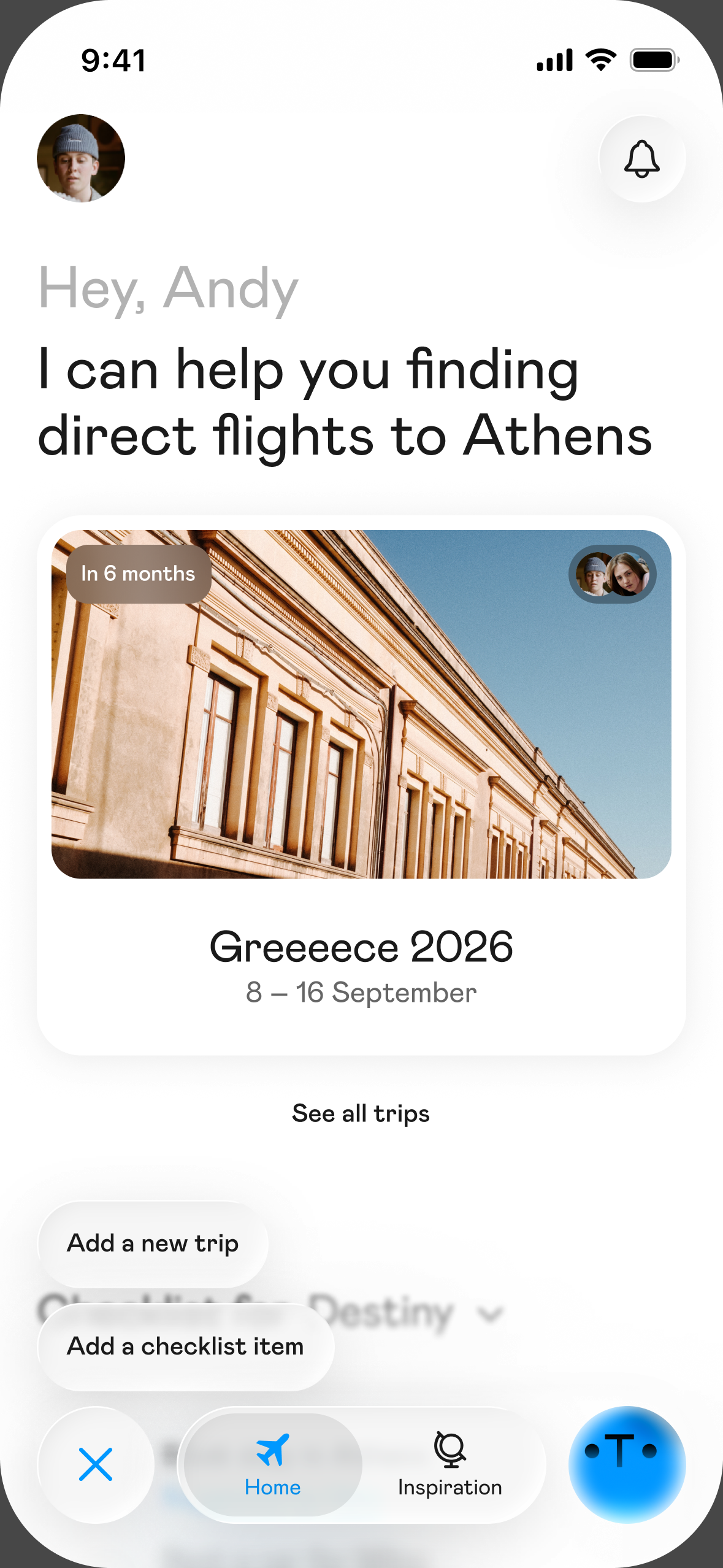
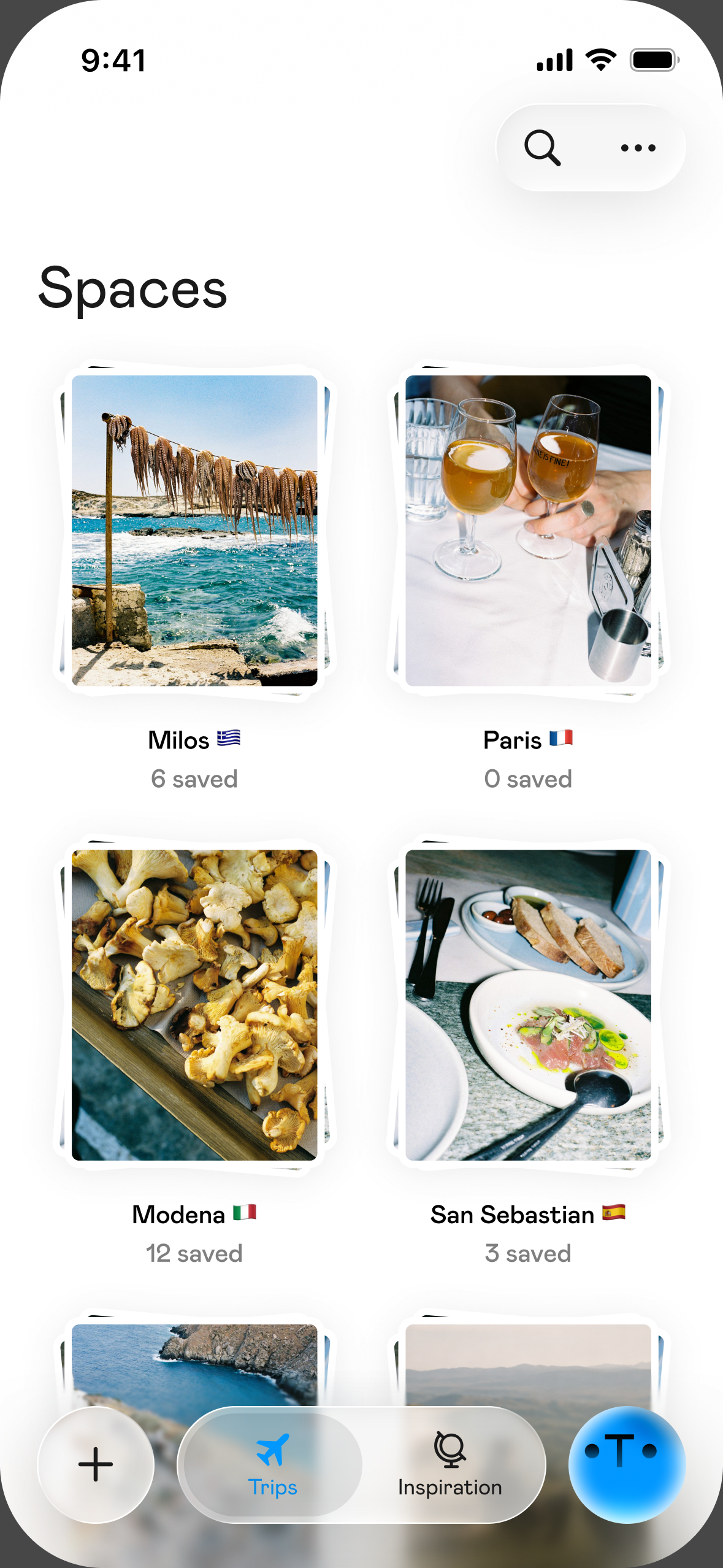
Since most of a group's ideas start on Instagram and TikTok, this is where Otta helps: each friend can send a reel to Otta on Instagram, or share a TikTok link from their iPhone, and every place in it is saved into your shared trip, along with who shared it. Nobody has to retype a restaurant name from a video.
How do we build the day-by-day plan together?
Short answer: one or two people draft it, everyone reviews it, and every day has one anchor plus free time.
Planning by committee is slow, but planning alone leaves people out. The middle ground:
- Collect first, plan later. Give the group a week or two to add ideas before anyone starts arranging days.
- Group places by neighborhood. Nearby spots go on the same day.
- Give each day one anchor. A booked dinner, a museum slot, a hike. Everything else is optional.
- Leave free blocks. Not everyone wants to do everything, and that's fine. Splitting up for an afternoon is a feature.
- Share the draft where everyone can comment and edit, then lock it a week before you leave.
The plan is better when it's yours. In Otta, the group turns everything you saved into a day-by-day plan together, and everyone in the trip sees and edits the same version.
How do we keep bookings in one place?
Short answer: whoever books something adds the confirmation to the shared trip the same day.
The classic group-trip failure: you're at the airport and the hotel confirmation is in the inbox of the one friend whose phone just died. Fix it with a rule: every booking goes into the shared place, immediately.
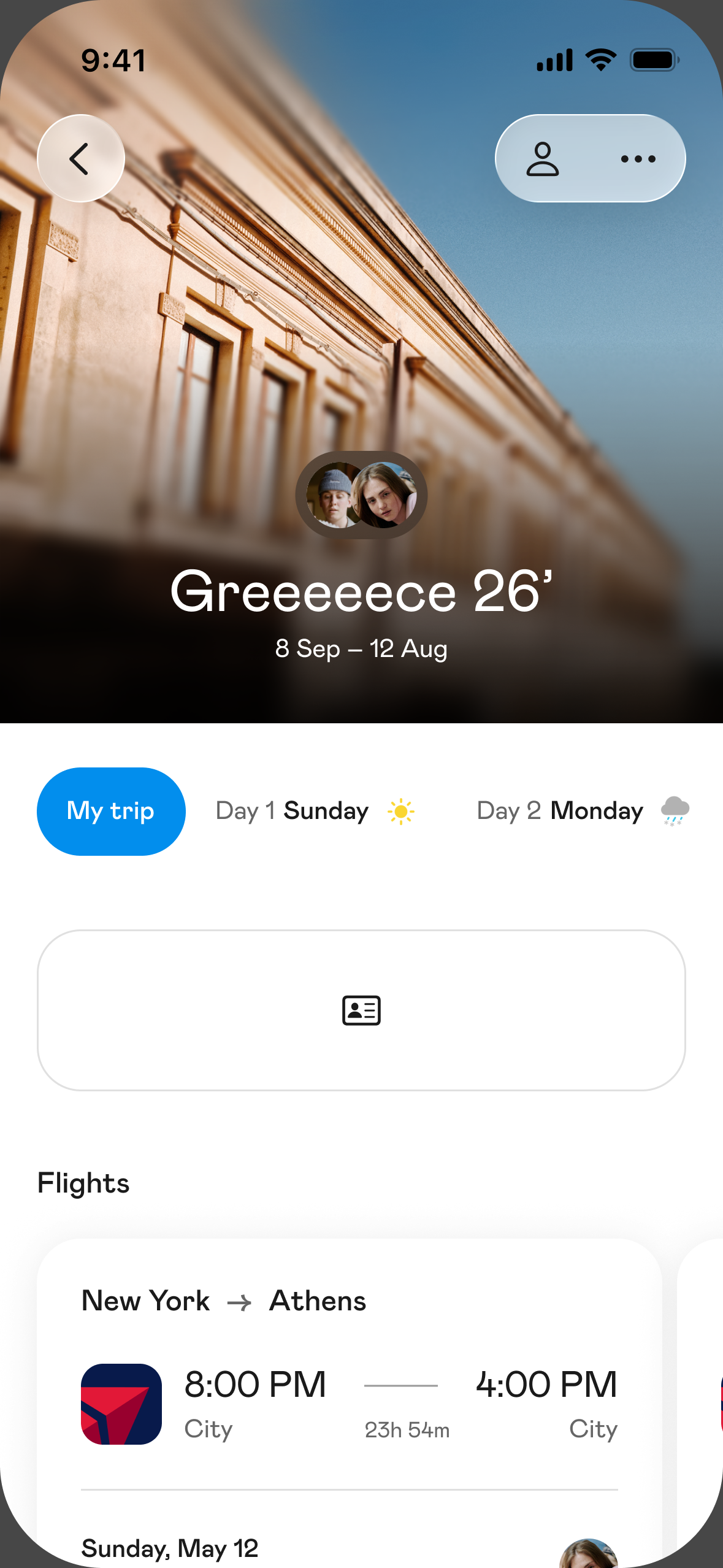
You can do this by pasting confirmation numbers into a shared doc. In Otta, you forward the confirmation email to Otta and she files it under the right trip, shared with everyone going. You still book wherever you like, with your own loyalty programs; Otta doesn't book for you, it keeps what you booked in one place.
Who should do what?
Short answer: split the work into a few clear roles so one person doesn't end up as the unpaid travel agent.
| Role | Owns |
|---|---|
| Lead planner | Dates, the shared plan, the final timeline |
| Lodging lead | Researching and booking where you'll stay |
| Money lead | The expense app and settling up |
| Food and activities lead | Reservations and timed tickets |
| Transport lead | Rental car, trains, airport transfers |
In a group of three, people double up. The point is that every decision has an owner.
What's the timeline for planning a group trip?
Short answer: big decisions three months out, bookings by one month out, details in the final week.
3 months out
- Dates and destination confirmed
- Budget range agreed
- Roles assigned
- Shared trip or doc created, everyone invited
- Flights and lodging booked (earlier for holidays and peak season)
1 month out
- Ideas collected; day-by-day draft shared
- Restaurants and timed tickets booked
- Ground transport sorted
- Every confirmation in the shared place
1 week out
- Plan locked, free time marked
- Check-in times, addresses and meeting points shared
- Packing list and weather check
- Expense app set up with everyone added
Group trip checklist
- One scheduling poll, one deadline
- One budget conversation, before booking
- One shared home for ideas (not the chat)
- One shared plan everyone can see
- One place for every booking
- One expense tracker
- Free time on every day
FAQ
How far in advance should we plan a group trip? About three months is comfortable for most trips. For holidays, festivals or popular destinations in peak season, start earlier.
What if someone keeps flaking on dates? Set a confirmation deadline and stick to it. Plan with the people who commit.
How do we split costs fairly when people spend differently? Share only the big common costs (lodging, car, group dinners) and let everyone pay for their own extras. An expense app keeps it transparent.
Do we all need to agree on every activity? No. Agree on one anchor per day and leave free time. Splitting up for a few hours makes the shared moments better.
What's the best app to plan a trip with friends? It depends on where your ideas start. We compared the main options in our guide to the best trip planner apps.
Sources
- Doodle (scheduling polls): https://doodle.com
- When2meet: https://www.when2meet.com
- Splitwise: https://www.splitwise.com
- Tricount: https://tricount.com
- Wanderlog, App Store listing (bill splitting): https://apps.apple.com/us/app/wanderlog-travel-planner/id1476732439
- Google Maps Help, sharing and collaborating on lists: https://support.google.com/maps/answer/7280933
- Otta, App Store listing: https://apps.apple.com/us/app/otta-travel-planner/id6758863399
Cover photo: Bops92, CC BY-SA 4.0, via Wikimedia Commons (source).