How to Plan a Trip to Japan From Scratch (2026 Step-by-Step Guide)
The short answer: pick your season first (spring and autumn are the most comfortable and the most crowded), then decide how many days you have and build a route around Tokyo, Kyoto and Osaka. Price your actual train legs before buying a JR Pass, book anything that sells out (popular museums, cafés, holiday-season hotels) as soon as sales open, and organize your ideas by city and by day before you fly.
Step 1: When should I go to Japan?
Short answer: spring (March to May) and autumn (September to November) have the most comfortable weather, but they are also peak season. If crowds bother you more than weather, look at June or weekdays in January and February.
| Season | What you get | Watch out for |
|---|---|---|
| Spring (Mar to May) | Cherry blossoms, mild weather. Blooms start in Kyushu in late March and move north into April | The biggest crowds and highest prices; Golden Week (late April to early May) |
| Summer (Jun to Aug) | Fireworks and summer festivals | June rainy season, hot and humid July and August, Obon travel in mid-August |
| Autumn (Sep to Nov) | Fall foliage, comfortable weather | Very popular, especially in Kyoto in November |
| Winter (Dec to Feb) | Snow in Hokkaido and the Sea of Japan side, little snow in Tokyo and Osaka | Many businesses close for a few days around New Year |
Japan's tourism board flags three holiday periods: New Year, Golden Week and Obon. Expect crowds and fully booked transport, so book early or pick other dates.
Step 2: How many days do I need in Japan?
Short answer: 7 days is enough for Tokyo and Kyoto, 10 days lets you add Osaka and a slower pace, and 14 days lets you add a region beyond the classic triangle. If you're flying in from the US, count your arrival day as a half day at best.
7 days: Tokyo and Kyoto
| Days | Base | Idea |
|---|---|---|
| 1 to 3 | Tokyo | One neighborhood cluster per day instead of crossing the city twice |
| 4 to 6 | Kyoto | Early mornings at the big temples, a half-day trip to Nara |
| 7 | Osaka or Kyoto | Fly home from Kansai International (KIX) so you don't backtrack |
10 days: Tokyo, Hakone, Kyoto, Osaka
| Days | Base | Idea |
|---|---|---|
| 1 to 4 | Tokyo | Add one day trip, like Nikko or Kamakura |
| 5 | Hakone | One night at a ryokan with an onsen |
| 6 to 8 | Kyoto | Temples, Arashiyama, a day in Nara |
| 9 to 10 | Osaka | Food-focused evenings, fly out of KIX |
14 days: add the Japan Alps side or Hiroshima
| Days | Base | Idea |
|---|---|---|
| 1 to 4 | Tokyo | Same as above |
| 5 to 6 | Kanazawa or Takayama | Gardens, old districts, a slower rhythm |
| 7 to 10 | Kyoto | Room for less obvious temples |
| 11 to 12 | Hiroshima and Miyajima | Peace Memorial Park, an overnight on the island if you can |
| 13 to 14 | Osaka | Last nights out, fly from KIX |
If you love food more than temples, shift a day from Kyoto to Osaka. If you love design and art, give Tokyo the extra day.
Step 3: How much does a trip to Japan cost?
Short answer: it depends heavily on season and hotel style, but for reference, Japan's tourism agency reported that international visitors spent an average of ¥229,000 per person in Japan in 2025.
That's an average across every nationality and trip length, so treat it as a sanity check, not a budget. Accommodation was the biggest spending category, followed by shopping, then eating and drinking.
Two fixed costs to know: Japan raised its international tourist (departure) tax from ¥1,000 to ¥3,000 per departure starting July 1, 2026. Airlines add it to your ticket price, so you don't pay it separately at the airport.
Step 4: Which airport should I fly into?
Short answer: fly into Tokyo (Narita or Haneda) and out of Osaka's Kansai International (KIX), or the reverse. An "open-jaw" ticket saves you a full travel day of backtracking.
Before you land, you can fill out your immigration and customs details on Visit Japan Web, the government's free web service run by the Digital Agency. It gives you a QR code to show with your passport at the airport. It's optional, and the paper customs form still works. Check visa requirements for your passport on Japan's Ministry of Foreign Affairs website.
Step 5: Do I need a JR Pass?
Short answer: only if you're covering long distances on JR trains in a short time. For a simple Tokyo, Kyoto and Osaka trip, single Shinkansen tickets plus an IC card are often enough, so price your real legs before buying.
Current official JR Pass prices (adult, ordinary car), checked on japanrailpass.net on October 6, 2026:
| Pass | Bought on the official site | Bought from an overseas agent |
|---|---|---|
| 7 days | ¥50,000 | ¥53,000 |
| 14 days | ¥80,000 | ¥84,000 |
| 21 days | ¥100,000 | ¥105,000 |
Green Car (first class) passes cost more (¥70,000 for 7 days online), and child passes are half price. Two things people miss: the pass doesn't cover the fastest Nozomi and Mizuho Shinkansen without a special extra ticket for pass holders, and reserved seats can be booked in advance only when the pass is bought on the official site.
Regional passes can be better value if you stay in one area, but they change. For example, JR West stopped selling its Kansai Area Pass on September 30, 2026 (passes bought before then stay valid). Check JR West's and JR East's official pass pages for what's on sale right now.
IC cards (Suica, PASMO, ICOCA) are rechargeable cards for subways, local trains and buses, and you can also pay at many shops with them. On iPhone, JR East's Welcome Suica Mobile app lets visitors set up and top up a Suica before arriving; a Suica issued through the app is valid for 180 days.
Step 6: Where should I stay in Tokyo, Kyoto and Osaka?
Short answer: stay near a major train line, not near one attraction. You'll come and go every day, so a short walk to the station matters more than the view.
| City | If you want... | Look at |
|---|---|---|
| Tokyo | Nightlife and lots of train lines | Shinjuku, Shibuya |
| Tokyo | Easy Shinkansen days and a calmer base | Tokyo Station, Ginza |
| Tokyo | Old-town feel | Asakusa |
| Kyoto | Fast access to day trips | Around Kyoto Station |
| Kyoto | Walkable evenings and restaurants | Downtown (Shijo, Kawaramachi) |
| Kyoto | Early mornings at the temples | Gion, Higashiyama |
| Osaka | Food and late nights | Namba |
| Osaka | Transport hub and department stores | Umeda |
Step 7: What do I need to book in advance?
Short answer: anything with a fixed sales window. Mark the release dates in your calendar and book the minute they open.
- Ghibli Museum (Tokyo): tickets go on sale at 10 a.m. Japan time on the 10th of each month for the following month, sold online through Lawson Ticket. They're for a specific date and entry time.
- Nintendo Museum (Uji, near Kyoto): tickets are sold by random lottery for a specific date and time, months ahead. As of today, entries are open for January 2027.
- Hotels during cherry blossom, Golden Week and November in Kyoto. These are the first to fill.
- Shinkansen seats during holiday periods. Japan's tourism board calls advance booking essential around Golden Week.
- Restaurants you've seen online. Check each one's own booking page for when reservations open.
Step 8: How do I organize all the places I've saved on Instagram and TikTok?
Short answer: sort them by city, then by neighborhood, then into days, so you don't find the perfect ramen spot after you've left that neighborhood.
Here's a simple system that works with or without an app:
- Pull everything into one list. Saved reels, TikToks, screenshots, friends' texts.
- Tag each place with a city and a neighborhood. Shibuya, Asakusa, Gion, Namba.
- Group nearby places into the same day. One cluster per day keeps you from crossing Tokyo twice.
- Keep the reason you saved it. "Go at opening, the line gets long" is the tip that makes the place worth it.
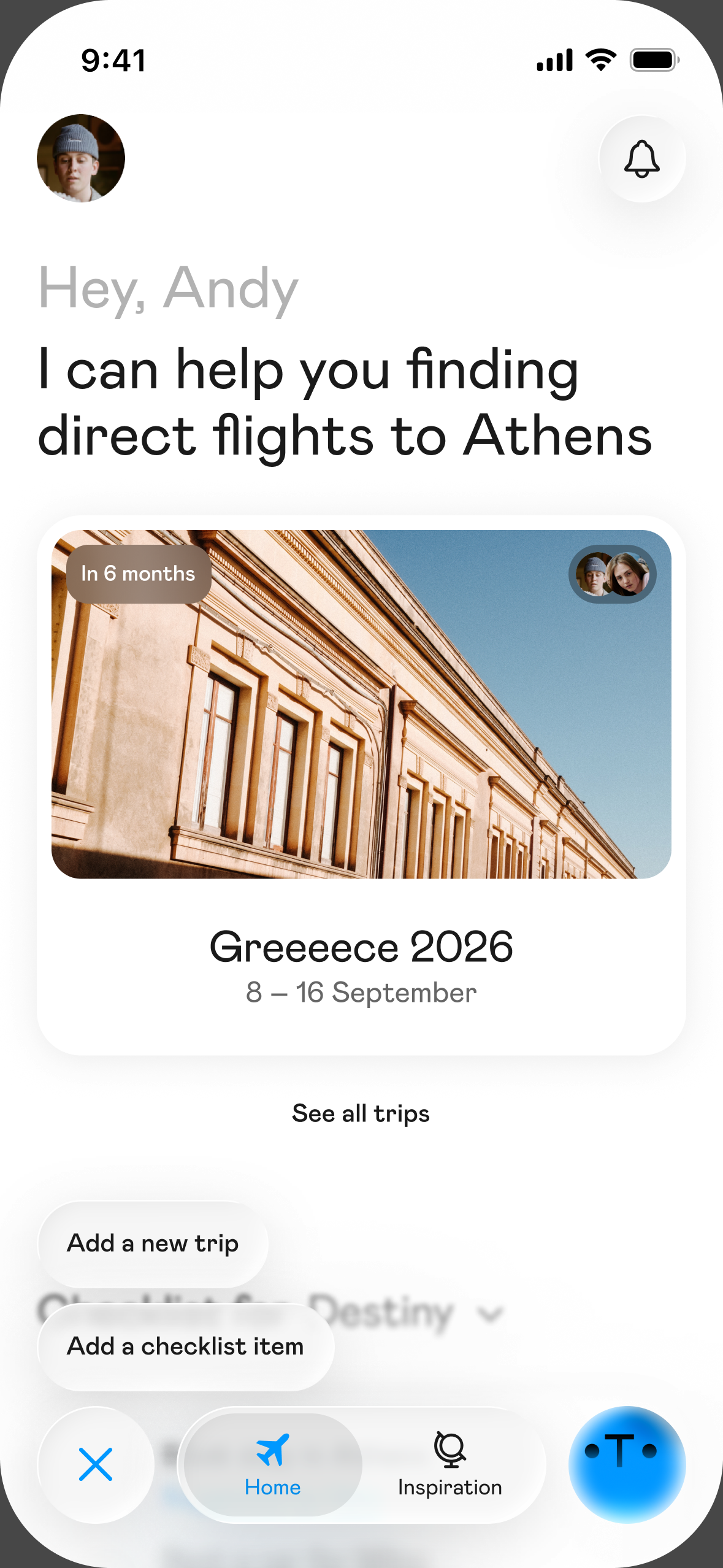
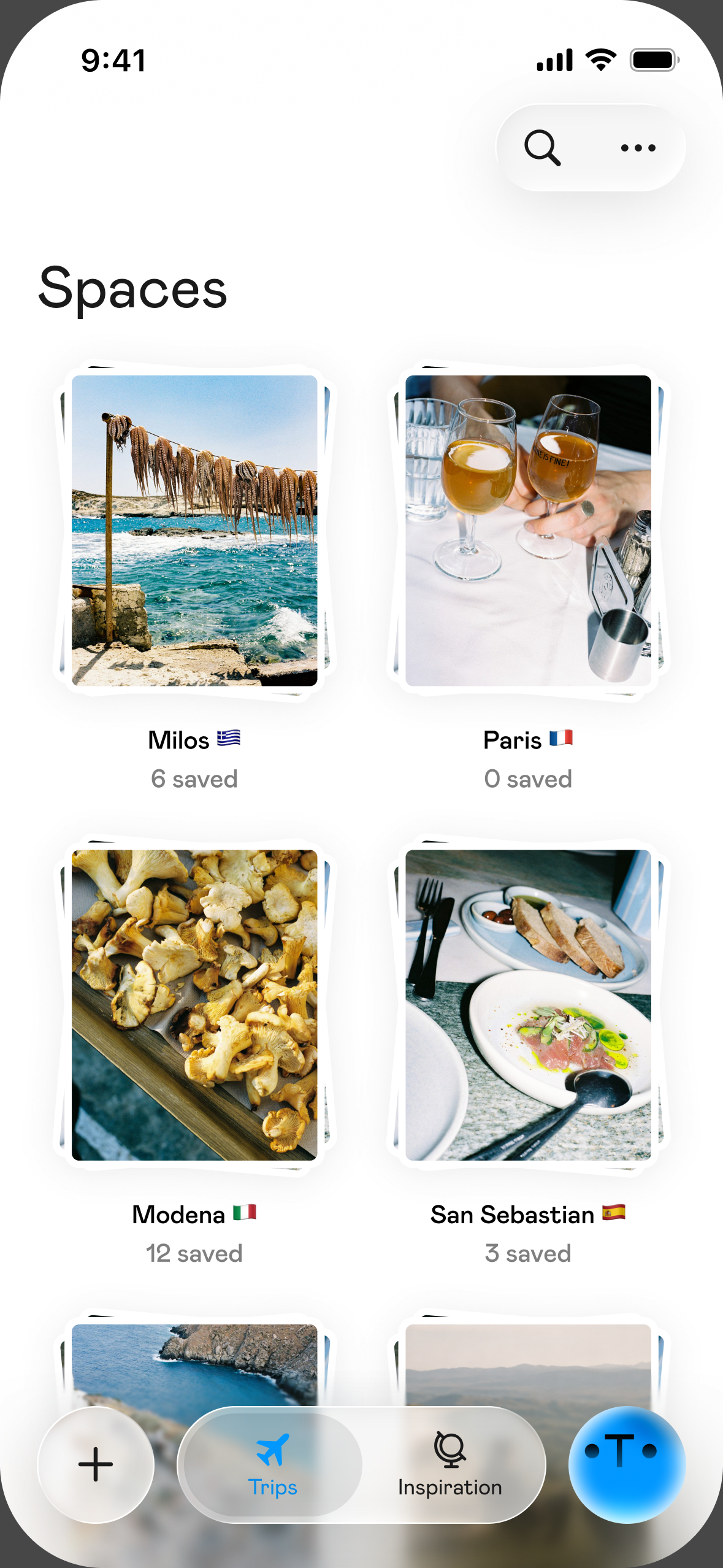
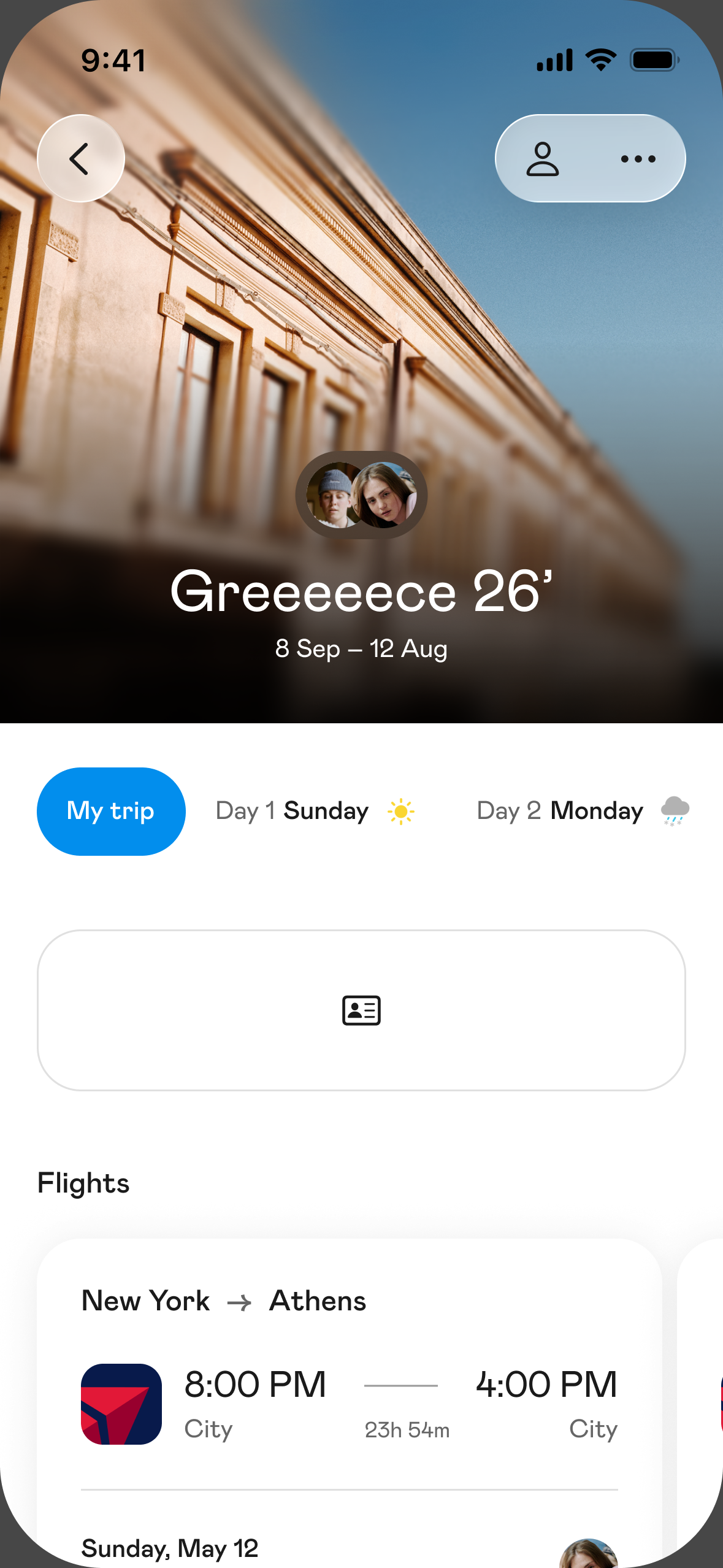
If you'd rather not do this by hand, this is what Otta is built for: send a reel to Otta on Instagram or share a TikTok link from your iPhone, and she saves every place mentioned in it under your trip, organized by destination. You then turn those saves into your own day-by-day plan, shared with everyone going. You can also forward hotel and flight confirmation emails so the bookings sit in the same trip.
Step 9: What's on the pre-trip checklist?
- Passport valid, visa rules checked on Japan's Ministry of Foreign Affairs site
- Flights booked (ideally into Tokyo, out of Osaka, or the reverse)
- Hotels booked near train stations
- Train legs priced, JR Pass bought only if the math works
- IC card set up (Welcome Suica Mobile on iPhone, or a physical card on arrival)
- Sale dates for timed tickets in your calendar
- Visit Japan Web filled in at least a few hours before landing
- Saved places sorted by city and day
- Bookings and confirmations in one place your travel companions can see
FAQ
Is 7 days enough for Japan? Yes, for Tokyo and Kyoto with a half-day in Nara. It isn't enough to add a third region without spending a lot of the trip on trains.
Is the JR Pass still worth it in 2026? Only for routes with several long JR legs. Price your actual legs against the ¥50,000 7-day pass first.
When is cherry blossom season? Blooms start in Kyushu in late March and move north through April. Exact dates change every year, so check a forecast closer to your trip.
Sources
- Japan Rail Pass official site, prices and rules: https://japanrailpass.net/en/purchase/price/ and https://japanrailpass.net/en/
- Japan National Tourism Organization (JNTO), planning, seasons and holidays: https://www.japan.travel/en/plan/ , https://www.japan.travel/en/plan/business-hours-and-holidays/ , https://www.japan.travel/en/guide/spring-guide/ , https://www.japan.travel/en/sg/guide/golden-week-japan/
- JR West, Kansai Area Pass status: https://www.westjr.co.jp/travel-information/en/tickets-passes/jrwest-rail-pass/kansai/
- JR East, Welcome Suica Mobile release: https://www.jreast.co.jp/e/press/pdf/0218wsm_en.pdf and App Store listing https://apps.apple.com/us/app/-/id6738336566
- Visit Japan Web (Digital Agency): https://vjw.digital.go.jp
- Ghibli Museum tickets: https://www.ghibli-museum.jp/en/tickets/
- Nintendo Museum: https://museum.nintendo.com/en/
- Japan Tourism Agency 2025 visitor spending, via Nippon.com: https://www.nippon.com/en/japan-data/h02681/
- International tourist tax increase, via Travel Voice: https://www.travelvoice.jp/english/the-japanese-ruling-parties-specify-a-rise-in-departure-tax-to-3-000-yen-in-the-tax-reform-outline-for-fy2026
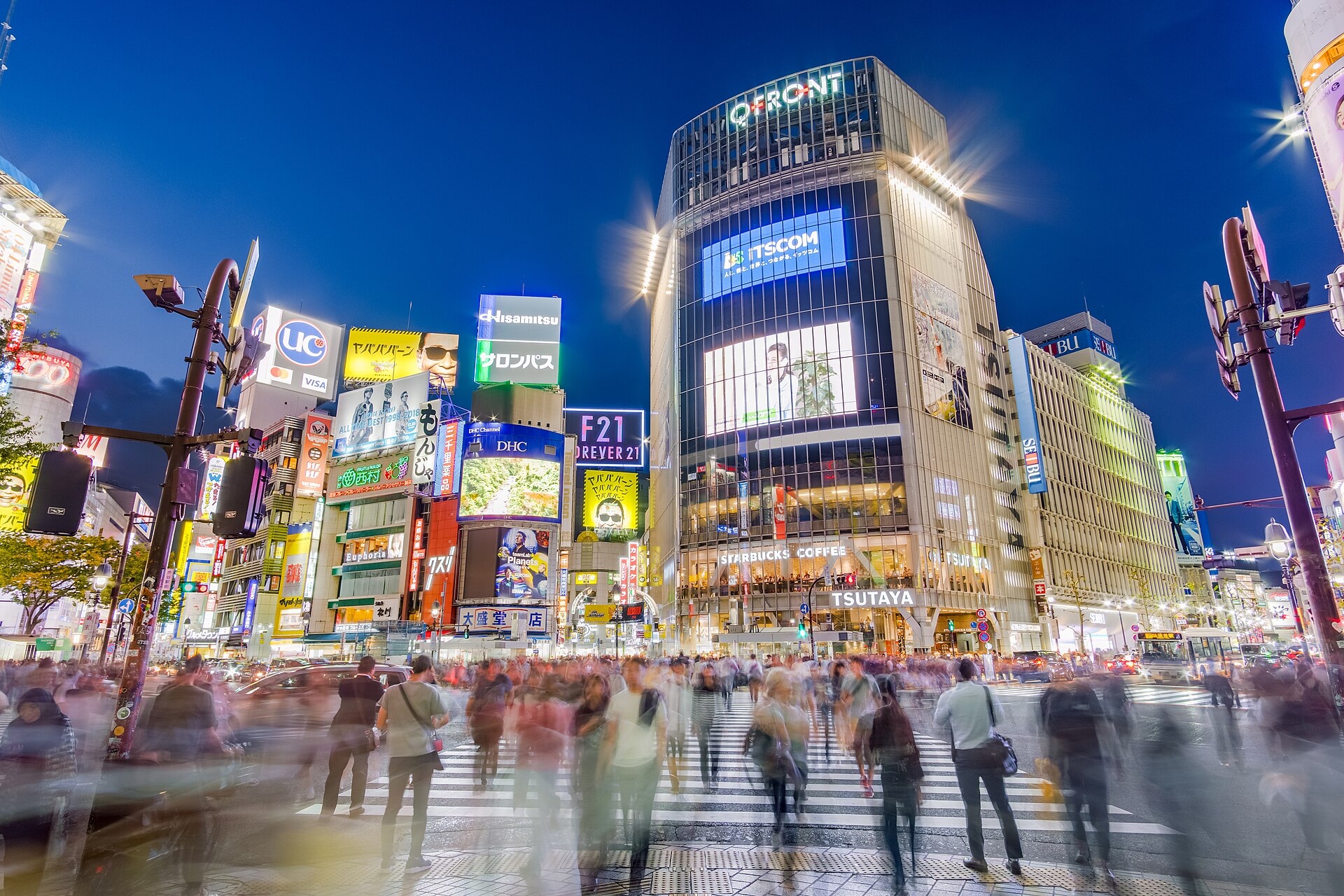
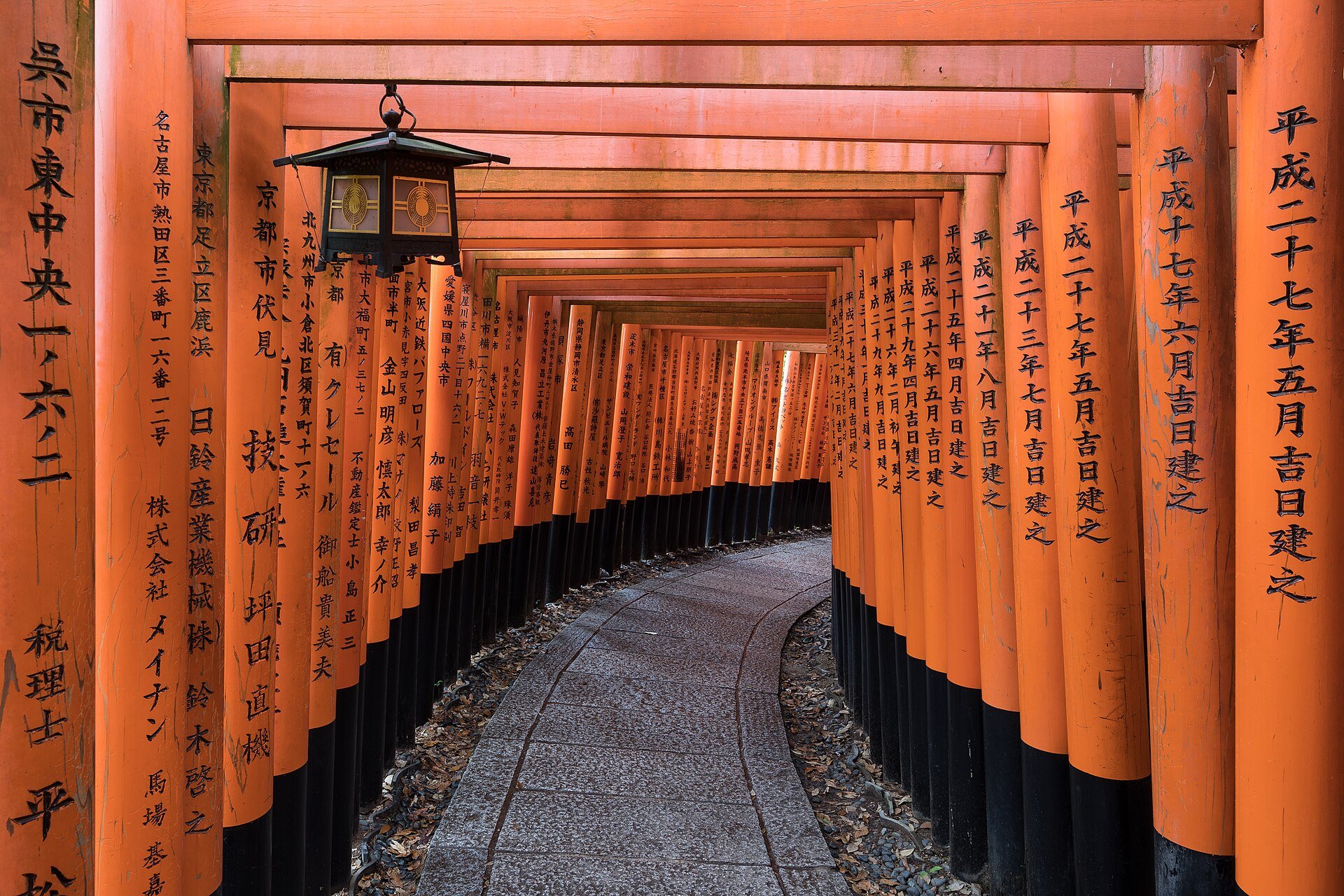
Cover photo: Basile Morin, CC BY-SA 4.0, via Wikimedia Commons (source).