Where to Eat and What to Do in Kyoto: A Local-Feeling Guide (2026)
Kyoto is easy to over-plan. The classics are spread across the city, and the trick is giving each part of town its own day instead of racing between temples. This guide pairs the famous sights with places to eat nearby, so every day has a temple in the morning and a good meal at the end.
The short answer: give Fushimi Inari Taisha its own early morning. Build a Higashiyama day around Kiyomizu-dera and end it with dinner in Gion, at Wagyu Ryotei Bungo Gion or Curry & Tempura Koisus. Snack your way through Nishiki Market with a coffee at Rokujuan. Walk the Philosopher's Path from Ginkaku-ji and have sushi at Sushi Ishimatsu. Save Arashiyama's bamboo grove for an early start, and Pontocho for an evening.
Is Fushimi Inari worth it?
Short answer: yes, and it deserves its own morning. Fushimi Inari Taisha is in Fushimi, south of the center. If you love hiking and quiet, keep walking up the mountain past where most people turn back. If you're short on time, the lower gates alone are worth the trip.
What should I do in Higashiyama and Gion?
Short answer: temples by day, dinner at night.
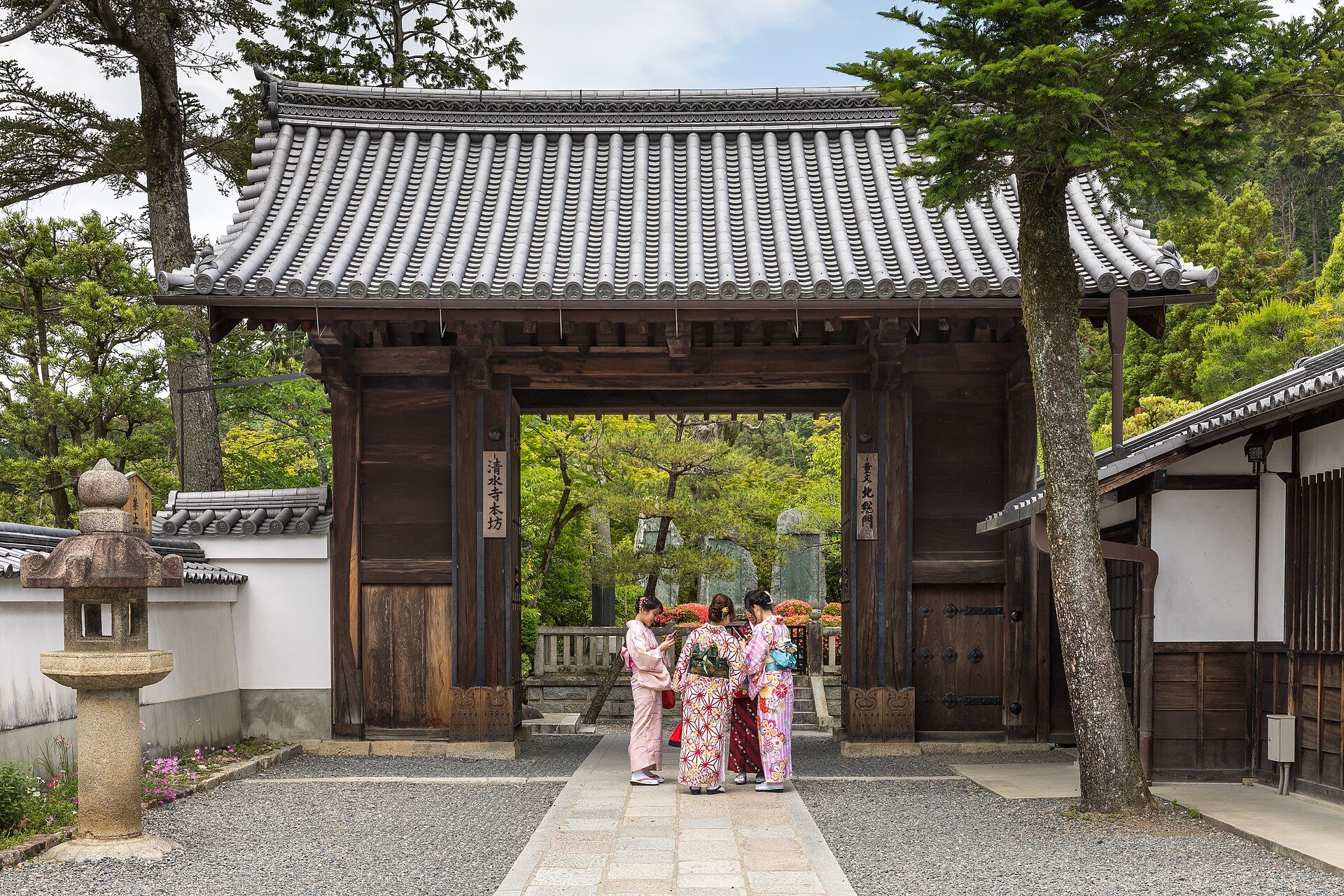
Kiyomizu-dera. It's the classic, and it's on almost every Kyoto plan for a reason. The point of view: build your Higashiyama walk around it, then come down toward Gion for dinner instead of treating it as a stop on a bus tour.
Wagyu Ryotei Bungo Gion. A wagyu restaurant in Gion. For the one splurge dinner of the trip.
Curry & Tempura Koisus. A curry and tempura restaurant on Miyagawasuji, in Higashiyama. If you want something more casual and a little unexpected for Kyoto, this is it.
What is Pontocho, and is it worth it?
Short answer: if you love an atmospheric evening walk, yes. Pontocho is a narrow lane running along the west bank of the Kamo River between Sanjo and Shijo, lined with restaurants and traditional wooden buildings. It's one of Kyoto's geisha districts, with Gion across the river. From May to September, many restaurants on the river side build raised platforms over the water, called kawayuka, for outdoor dinners. If you're there in summer, ask for a riverside seat.
Where should I eat in central Kyoto?
Short answer: at Nishiki Market, then a coffee nearby.
Nishiki Market. The covered market street in Nakagyo. For the traveler who'd rather snack their way through a neighborhood than book a sit-down lunch.
Rokujuan. A café in Nakagyo, the same central ward as Nishiki. For a coffee break on a market day.
Is the Philosopher's Path worth walking?
Short answer: yes, especially if you pair it with a temple at one end and lunch at the other. The Philosopher's Path is a stone path of about 2 km along a canal lined with cherry trees, running between Ginkaku-ji and the Nanzen-ji area.
Ginkaku-ji (the Silver Pavilion). A Zen temple at the northern end of the path, part of the Historic Monuments of Ancient Kyoto World Heritage Site. Despite the name, it was never covered in silver. If you love gardens more than gold leaf, you may prefer it to Kinkaku-ji.
Sushi Ishimatsu. A sushi restaurant in Sakyo, near Honen-in and the Philosopher's Path. Plan it as lunch or dinner after an eastern-temples walk.
Is Arashiyama's bamboo grove worth it?
Short answer: yes, if you go early. The Arashiyama Bamboo Grove, also called the Sagano Bamboo Forest, is a free public path on the west side of the city, about a 10-minute walk from Saga-Arashiyama Station on the JR Sagano Line. It gets crowded, so go before 9 am or in the evening. If you love quiet, listen: the sound of the bamboo is on Japan's list of "100 Soundscapes of Japan."
Is Kinkaku-ji worth the trip?
Short answer: yes, if you plan around its location. Kinkaku-ji, the Golden Pavilion, is in Kita Ward, far from the other temples in this guide, so pair it with the north of the city instead of squeezing it into a Higashiyama day.
Garden of Fine Arts Kyoto. An open-air museum in Sakyo, designed by Tadao Ando, with ceramic-panel reproductions of famous paintings. If you love architecture, it's one of the most specific stops in the city.
How many days do I need in Kyoto?
Four days gives each area room to breathe:
- Day 1: Fushimi Inari in the morning, Nishiki Market and Rokujuan in the afternoon, Pontocho for dinner.
- Day 2: Kiyomizu-dera and Higashiyama, dinner in Gion.
- Day 3: Ginkaku-ji, the Philosopher's Path, Sushi Ishimatsu, the Garden of Fine Arts.
- Day 4: Arashiyama early, then Kinkaku-ji in the north.
FAQ
What should I eat in Kyoto? Wagyu, tempura, sushi and market snacks. Wagyu Ryotei Bungo Gion, Curry & Tempura Koisus, Sushi Ishimatsu and Nishiki Market cover all four.
What time should I go to Fushimi Inari? Early in the morning, before the crowds, and give it the whole morning if you plan to hike higher up.
Is Kyoto worth it if I've already been to Tokyo? Yes, if you love temples, gardens and slower days. Kyoto is a city you walk, neighborhood by neighborhood, not one you rush.
Where should I stay in Kyoto? If temples are your priority, Higashiyama. If food is, stay central near Nishiki and Pontocho so dinner is always a short walk away.
Cover photo: Basile Morin, CC BY-SA 4.0, via Wikimedia Commons (source).