Paris After Dark: Bars and Clubs Locals Actually Go To (2026)
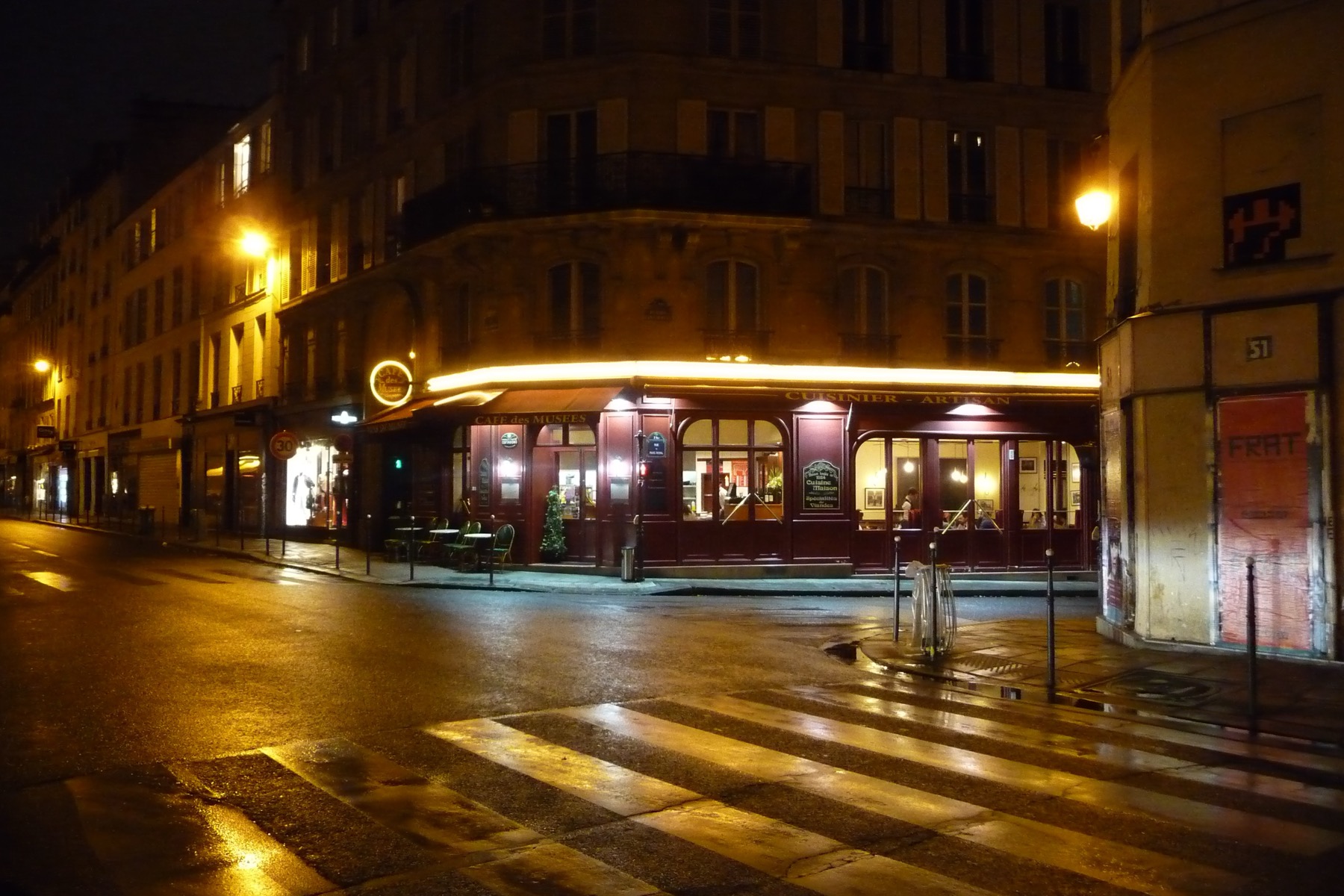
Locals tend to spend a Paris night out in neighborhood bars, lingering over a drink for hours, and only move to a cellar club or a bar with a dance floor if they want to dance. Start in Oberkampf, Bastille or the Marais rather than the cabaret strip, and expect the real energy to begin after midnight. Wear jeans and sneakers, not shorts and flip flops.
This guide is for travelers who want to see how the city actually goes out, with specific bars, rough prices and the habits that make a night easier. It is built from official tourism and travel sources, listed at the end.
When does Paris nightlife actually start?
Bars peak around 10 PM, and clubs do not fill up until after midnight. Paris also eats earlier than Madrid or Lisbon, so a good evening is usually dinner first, a bar second and a dance floor last.
| Time | What is happening |
|---|---|
| Early evening | Dinner. Some bistros are as busy at 8 PM as at 10 PM, and a sign reading service continu means non-stop service from opening to closing |
| Around 10 PM | Bars hit their peak. Some kitchens take last orders at 10 PM, so order food before then |
| After midnight | Clubs start to fill |
| 6 AM or later | Clubs keep going until morning |
One habit worth copying: Parisians are not a rowdy crowd, and it is rare to see anyone obviously drunk in a bar or on the street. Locals take their time, and sitting for three hours over drinks is completely normal. Terrace drinking is popular all year, so bring a coat in winter.
Where do locals go out, neighborhood by neighborhood?
Pick the neighborhood first, then the venue, because each district has its own crowd and price level and they barely resemble each other. Paris has 20 arrondissements and no single nightlife strip, so a quick pick saves you a lot of wandering.
| Neighborhood | The feel | Go if you like |
|---|---|---|
| Oberkampf and Ménilmontant | The trendier end of the scene, with a younger crowd. Craft cocktails, independent bars and live-music rooms | Dive bars, new cocktail bars and a night that ends on a dance floor |
| Bastille | Slightly lower prices and a student hotspot. Live music venues, cocktail joints and under-the-radar wine bars | A good night out on a budget |
| Le Marais (3rd and 4th) | Very central and very mixed, from lively gay bars to tango clubs. Some late-night spots stay open to the early hours | Variety, and a late finish |
| Saint-Germain-des-Prés (6th) | A villagey Left Bank feel with jazz clubs and proper pubs | Live music and a slower pace |
| Pigalle and Montmartre | Cabaret country since the Moulin Rouge opened in 1889, now with cafés, music venues and bars all around | A classic night with a chilled, creative crowd |
| Belleville | Off the tourist track, with unpretentious café bars and graffiti-covered hangouts | Skipping the obvious |
Two honest notes. The Marais is described as tourist central, so you will find travelers and locals side by side. Pigalle is not as seedy as its reputation, but it does have drink vendors, people offering services and small scams aimed at visitors. If you love bars with real character and want a mostly local crowd, Oberkampf and Bastille are the safest bets.
Which bars are worth building a night around?
The best Paris bars have a strong identity, so choose by mood. These are the ones the sources return to, each with the kind of traveler it suits.
- Moonshiner (Bastille area): described as the first speakeasy in Paris. It is hidden at the back of Pizza Da Vito, and you go through a walk-in fridge to reach it. Go if you like jazz and whisky.
- Lulu White (near Pigalle metro): a New Orleans inspired bar that hosts soul, funk and blues evenings. It is a good first stop if you want a cocktail and live music before moving on.
- Dirty Dick (a couple of doors down from Lulu White): a tiki bar. Go if you would rather have something playful than polished.
- La Rhumerie (Boulevard Saint-Germain): a laid-back rum bar with a long list of rum drinks, Caribbean-style snacks and live music. Go if you want to sit for a while.
If you prefer polish, the hotel bars near the Opéra Garnier are a different world from the dive bars of Rue Oberkampf. Paris lets you pick either, and the contrast is part of the fun.
Where do you go dancing in Paris?
For a classic late night, try a cellar club in the Marais, or find a bar with a dance floor. One option is Le Cud on Rue des Haudriettes, which has a dance floor in a vaulted cave and closes at 06.00 or 07.00 in the morning.
The club scene is quieter than it used to be. Many Parisians now stay out late just drinking in their favorite local bars, or dance in bars with a small dance floor rather than in big clubs. If you want proper all-night techno, Paris still has it, with clubs running until six in the morning. But if you are not sure, start with a bar and see where the night goes.
How much does a night out in Paris cost?
Bars are free to enter, clubs charge a cover, and cocktails run about €12 to €18. The two sources that quote club entry disagree a little, so treat it as a range.
| Item | Typical cost |
|---|---|
| Bar entry | Free |
| Club entry | About €5 to €10 in one source, €10 to €25 in another |
| Cocktail | About €12 to €18 |
Bastille tends to be cheaper than the more central areas, which is why students gather there. A cocktail-heavy night in the Marais or Saint-Germain will cost more than a night of wine in Oberkampf.
What should you wear, and how do you stay safe?
Dress casually, avoid shorts and flip flops, and keep your wits about you around Pigalle. Paris is a surprisingly casual city after dark, so jeans and sneakers are fine in most bars and you will look more like a local if you do not dress up.
- Skip the shorts and flip flops. Most places will turn you away however warm the weather is.
- Dress up only for the right places. Hotel bars, nightclubs and Michelin-starred restaurants are the exceptions, and prestige clubs are stricter than casual bars.
- In Pigalle, stay on the main, well-lit streets. Go out with company when you can and do not flash anything expensive.
- Plan your way home before the night starts. Look at how you will get back, since the métro stops running for part of the night.
Is a guided nightlife tour worth it?
A guided tour is worth it if you have one night, are traveling solo, or want to find hidden bars without researching them. One private tour listed on GetYourGuide covers speakeasies hidden behind bookshelves and laundromats, plus local bars and, where available, priority club entry with the venue revealed that night.
It runs one to three hours, offers free cancellation up to 24 hours in advance, and is rated 4.1 from 11 reviews. If you like finding your own places, skip it and use the neighborhood list above.
FAQ
What time should I go out in Paris?
Bars peak around 10 PM and clubs fill after midnight. Eat earlier than you would in Madrid or Lisbon, then head out for drinks.
Which Paris neighborhood is best for a local night out?
If you want a younger, more local crowd, start in Oberkampf or Bastille. If you want variety, go to the Marais. If you want live music, try Saint-Germain-des-Prés. If you want cabaret, go to Pigalle and Montmartre.
Do I have to pay to get into bars in Paris?
No. Bars are free to enter, and nightclubs usually charge a cover.
Is Paris nightlife safe for tourists?
Generally yes, if you stick to well-known areas. The main thing to watch for is Pigalle, where vendors and small scams target visitors. Stay on well-lit main streets and go with company.
Do I need to dress up to go out in Paris?
No. Casual clothes are fine in most bars, but avoid shorts and flip flops. Hotel bars, nightclubs and fine dining are the places to dress up a little.
Sources
- Paris Nightlife & Entertainment: Your After-Dark Guide (Paris Tourism)
- Paris Nightlife like a Local: Where to Go & What You Need to Know (Devour Tours)
- Paris after dark: the ultimate guide to nightlife (First Choice)
- Paris Nightlife in 2026: Best Clubs, Bars & Cabarets (Pickyourtrail)
- Paris: Private Nightlife Tour of Speakeasies, Bars & Clubs (GetYourGuide)